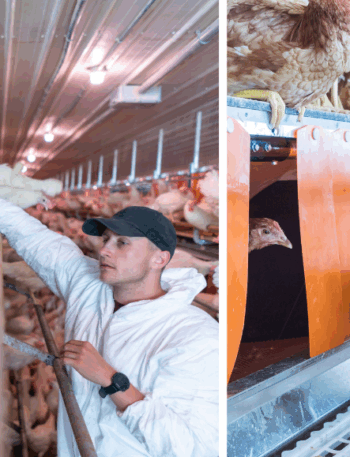
Sustainability is at the core of modern egg farming, influencing how farmers care for their hens, land, water and other natural resources every day. Through continuous innovation and efficiency improvements, egg farmers continue to discover new ways to produce nutritious and safe eggs while minimizing the overall carbon footprint across the industry.
Doster Harper, director of sustainability at Rose Acre Farms, discusses the benefits of these advancements and explains why eggs remain one of the most sustainable protein options.
How have U.S. egg farmers evolved their sustainability practices over time?
Eggs have become one of the most sustainable, high-quality protein sources over time through innovation, efficiency and stewardship. Through a dedication to continuous improvement, egg farmers have made significant strides in sustainability by consistently adopting new technologies and practices that increase production efficiency. There’s not a single breakthrough that has led to this transformation, but rather a stack of innovations in breeding, nutrition, housing, waste and energy over decades.
Egg farmers are committed to being good stewards of the environment by producing more and higher-quality eggs with fewer resources and repurposing waste, such as manure, into a value-added byproduct.
What sustainable farming practices and innovations have helped to shrink the U.S. egg sector’s overall carbon footprint?
Producers have adopted several practices to reduce the carbon footprint of egg production, primarily through feed efficiency, improving hen genetics, managing manure and increasing energy efficiency. Feed production accounts for the largest share of an egg’s carbon footprint, and by improving feed formulations and achieving a better feed conversion ratio, egg farmers have significantly reduced the land required to feed hens.
Additionally, fewer hens are needed to produce the same number of eggs today, thanks to selective breeding that results in hens laying more eggs, living longer and staying healthier. Improvements in manure management have allowed farmers to use high-quality manure as fertilizer for crops, and efforts to improve barn energy efficiency have also made notable progress. All these practices and more have helped egg farms cut greenhouse gas emissions by over 70% since the 1960s, according to a 50-year study conducted by the American Egg Board.
What new technologies or methods are being used on egg farms to help improve and enhance sustainability?
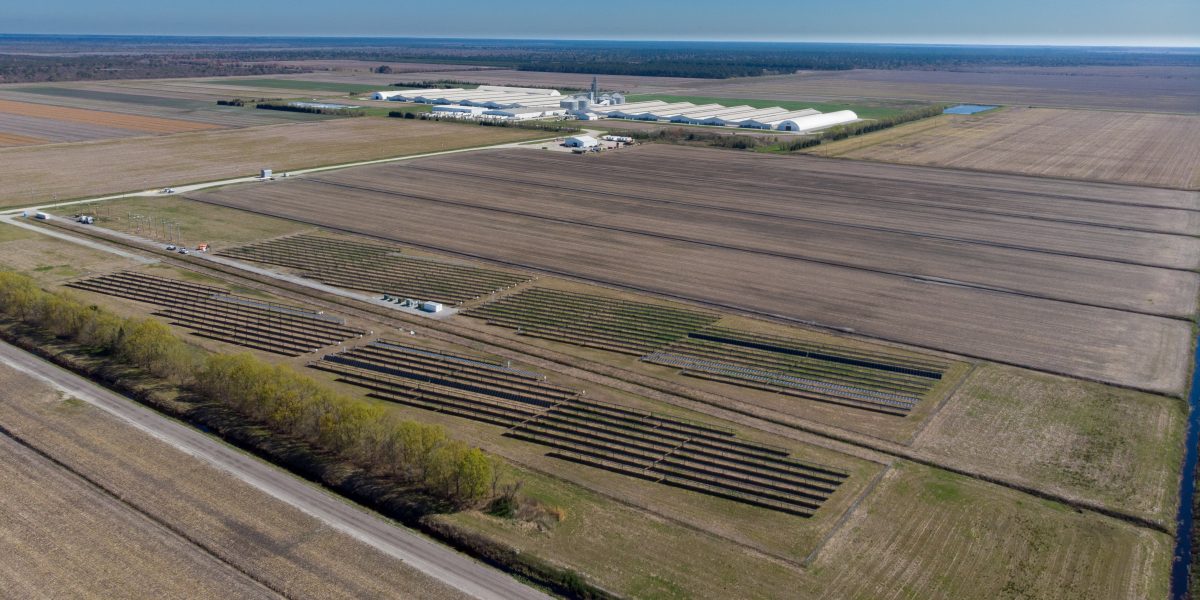
Automated manure belts and drying systems have helped egg farmers improve manure quality, allowing it to be repurposed as a high-quality fertilizer for crops, which reduces the need for synthetic fertilizer, enhances soil health and minimizes runoff pollution. Developments in energy-efficient ventilation and lighting systems have also cut down the energy needed in hen houses to keep our hens healthy and comfortable. Additionally, adopting renewable energy sources on egg farms, such as the solar microgrid partnership with North Carolina’s Electric Cooperatives at Rose Acre Farms in Pantego, NC, has reduced the carbon footprint of energy production.
What’s one thing you wish every consumer knew about how egg farmers responsibly care for the environment?
Egg farmers sincerely care about their craft and dedicate themselves to giving the next generation something better than they found it. It’s not an occupation, but a way of life, and for many, it has been passed down through generations as a family legacy. As such, egg farmers take their responsibility to produce a high-quality, healthy food product seriously, ensuring families can enjoy it while also prioritizing environmental care so that future generations can continue to enjoy this same rewarding pursuit. Egg farmers will remain steadfast in their commitment to continually improving their farming practices and conserving the environment for many years to come.
The egg industry’s commitment to continuous improvement means sustainability is always moving forward. By producing more eggs with fewer resources, farmers are helping keep eggs both nutritious and environmentally responsible. To learn more about egg farming , sustainability, animal care and more, visit the NC Egg Farmers page on our website.