

Eggs are a beloved part of Easter traditions. Explore fun, creative egg decorating and craft ideas, and browse Easter recipes.
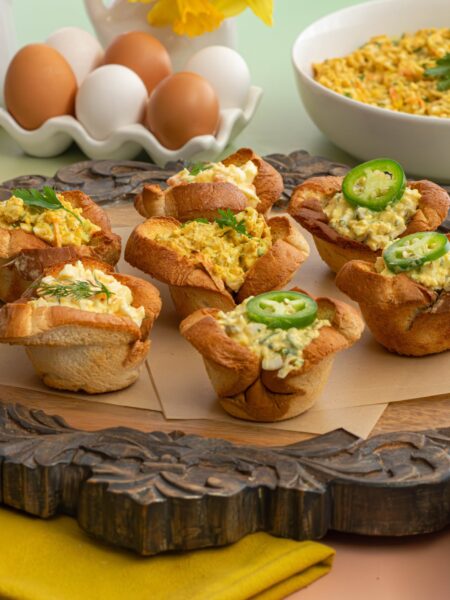
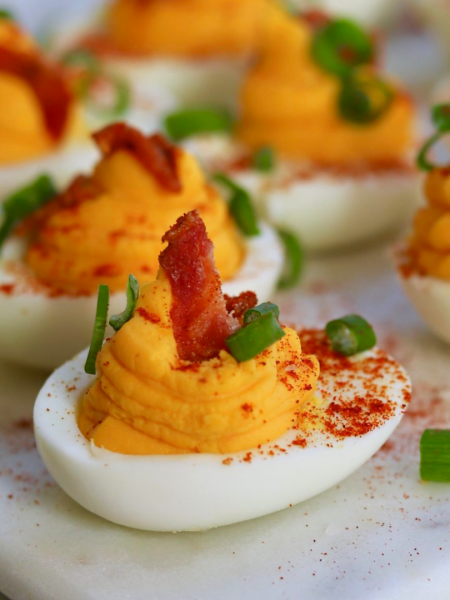
Easter Recipes











Easter Crafts
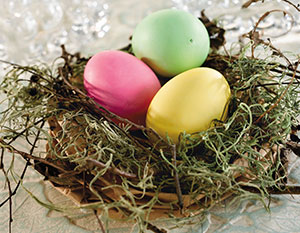
Easter Egg Centerpiece Craft
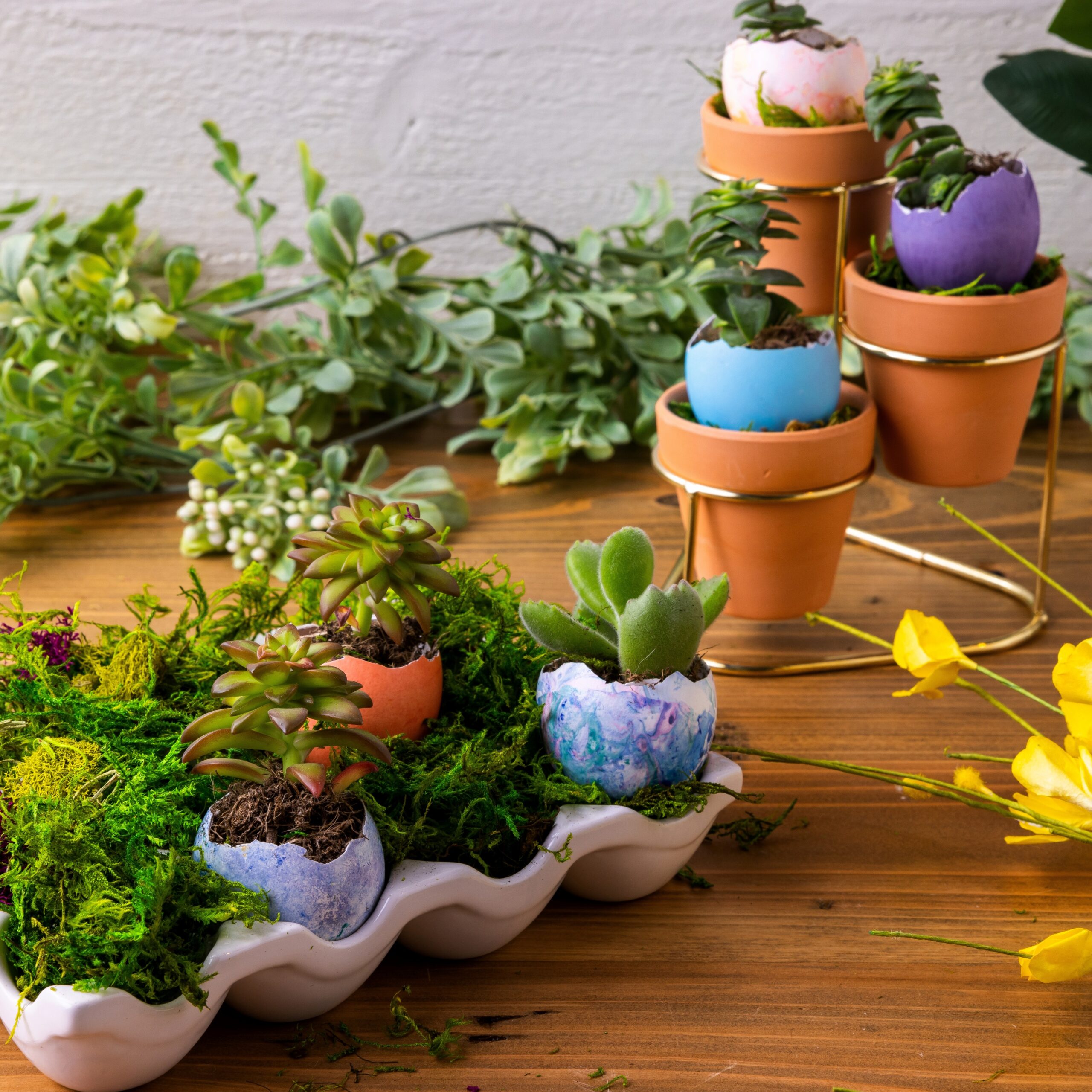
Egg Shell Planters
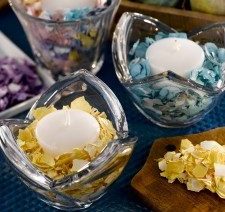
Eggshell Confetti Votives
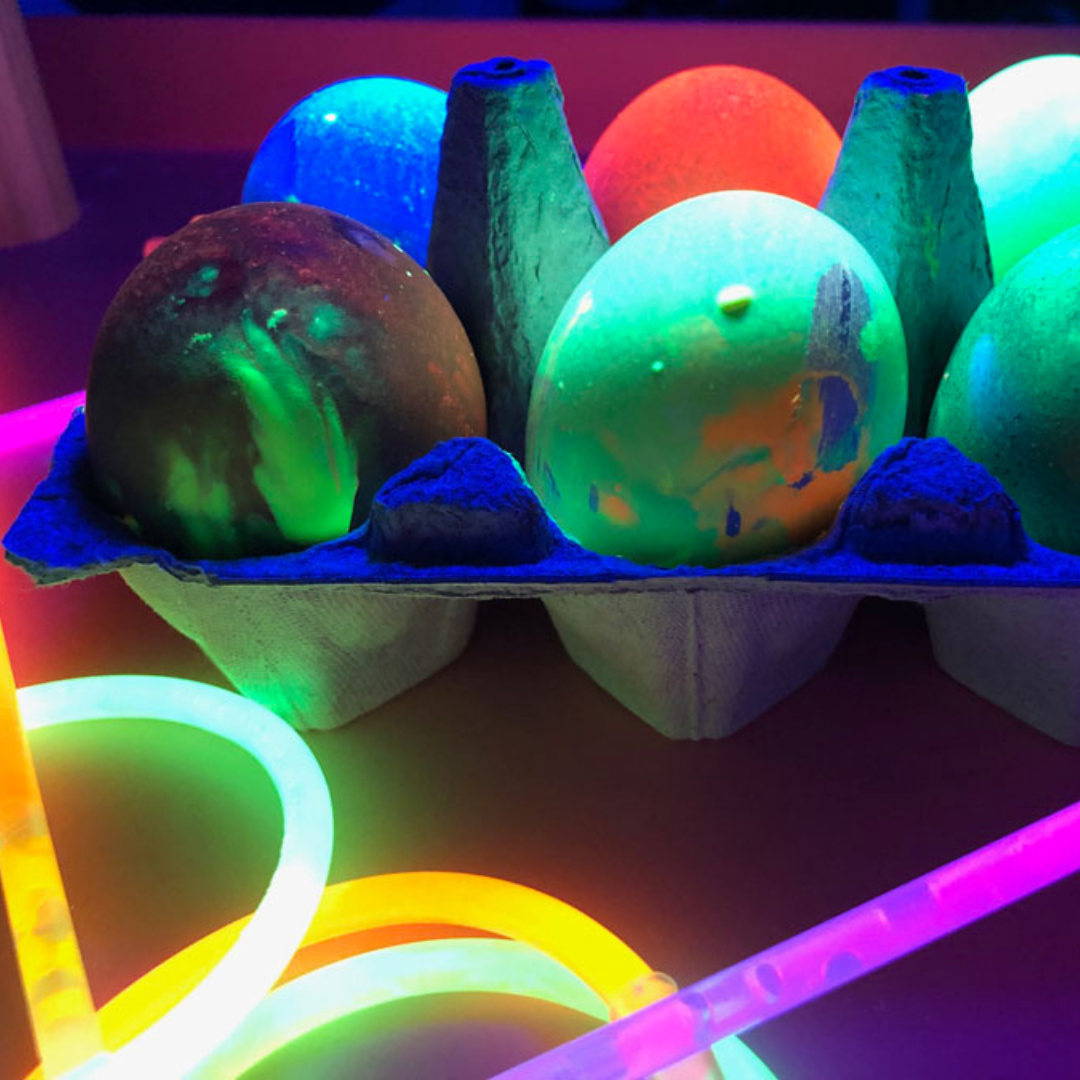
Glow-in-the-Dark Eggs
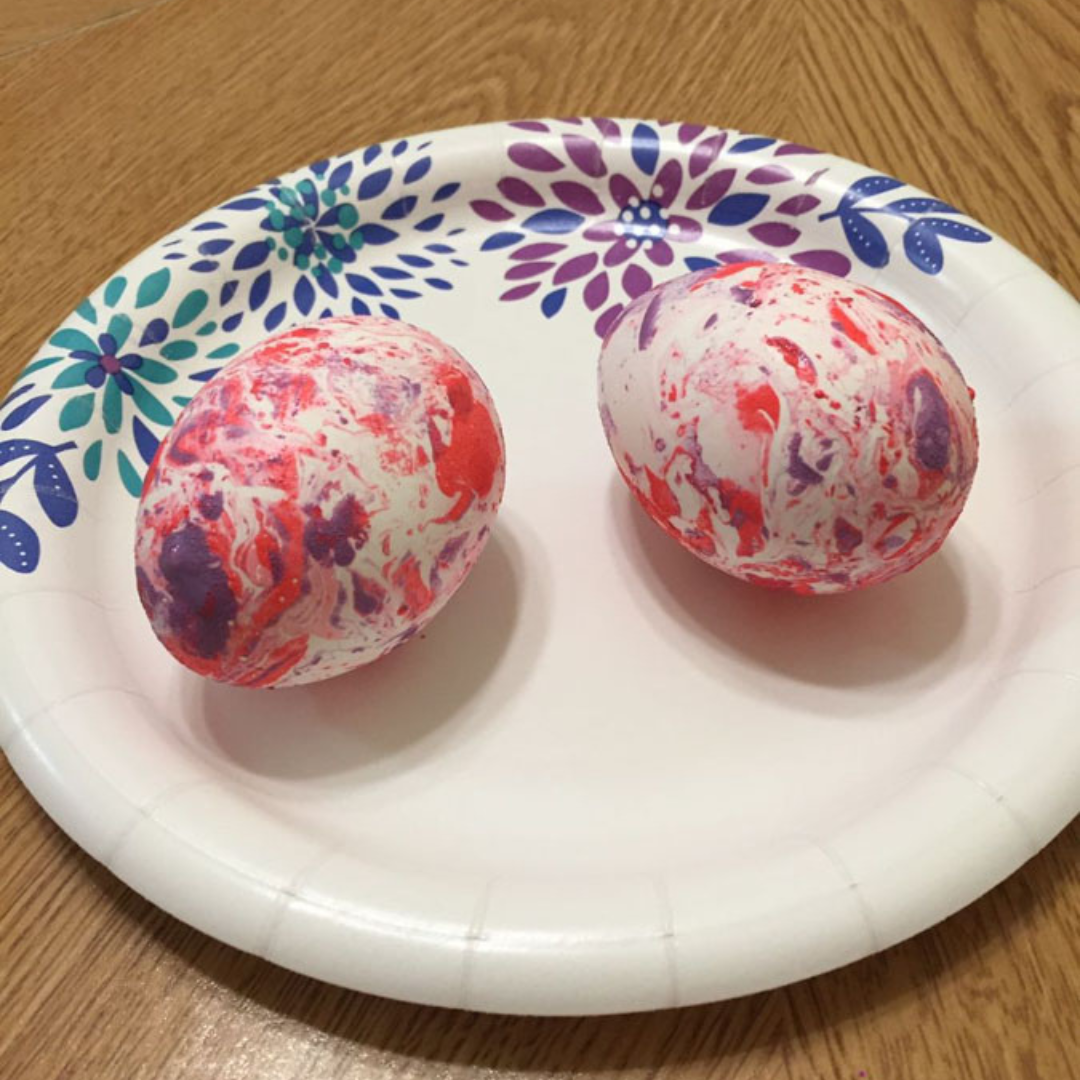
Marbled Eggs
Tie-Dye Eggs
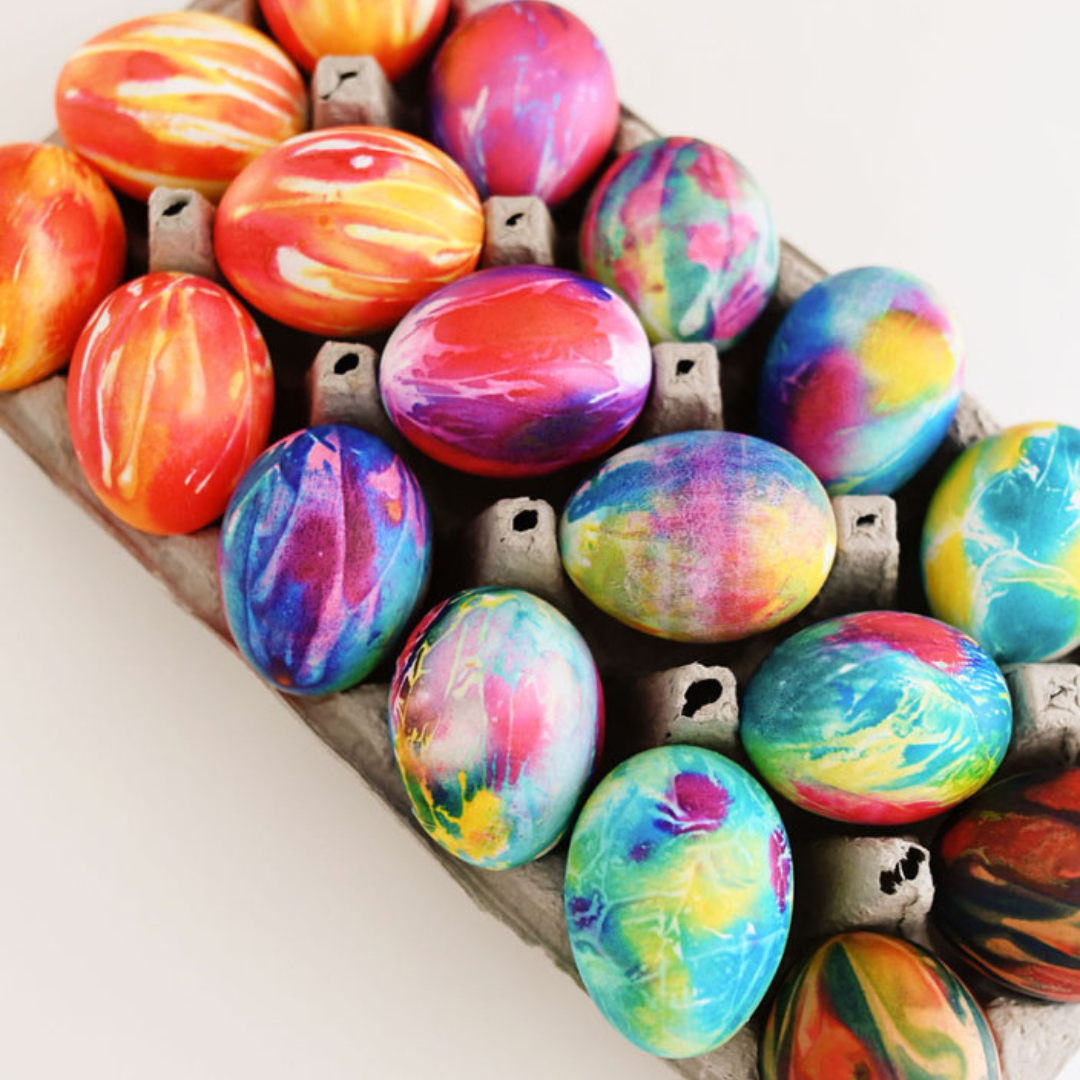
Whipped Cream Eggs

Color-blocked Eggs

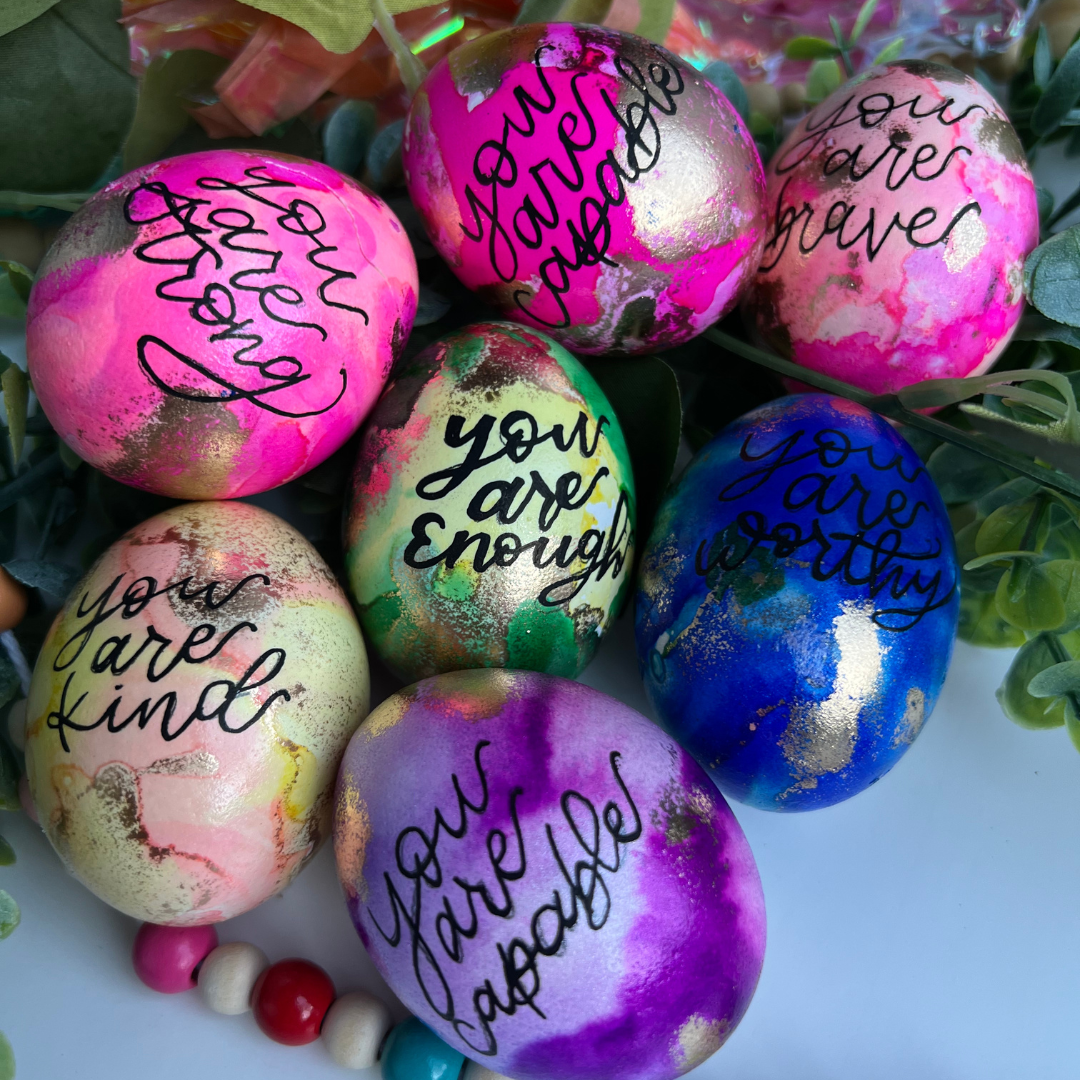
Hand Lettered Eggs
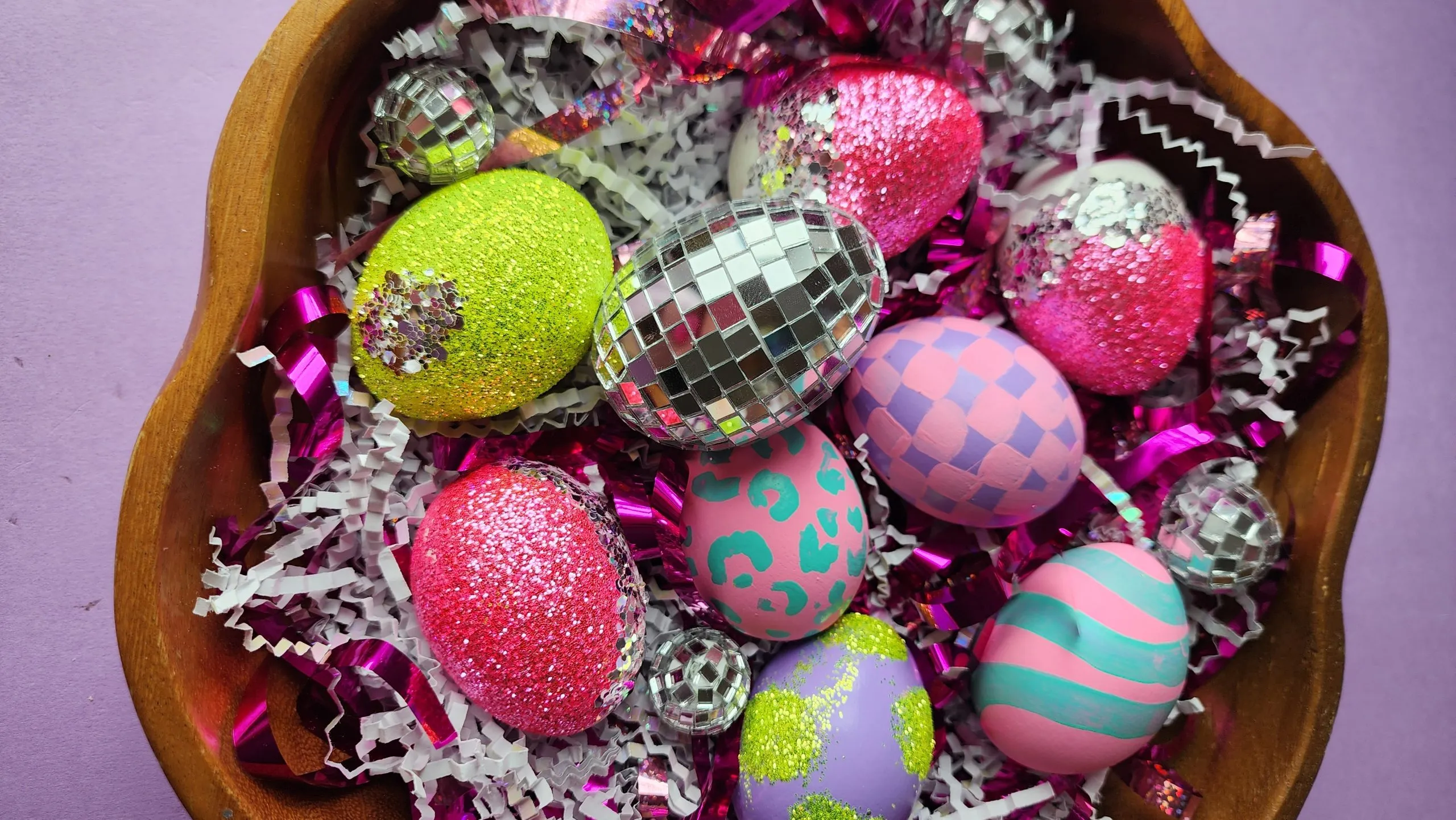
Easter Egg Disco Balls
Paint Pen Eggs

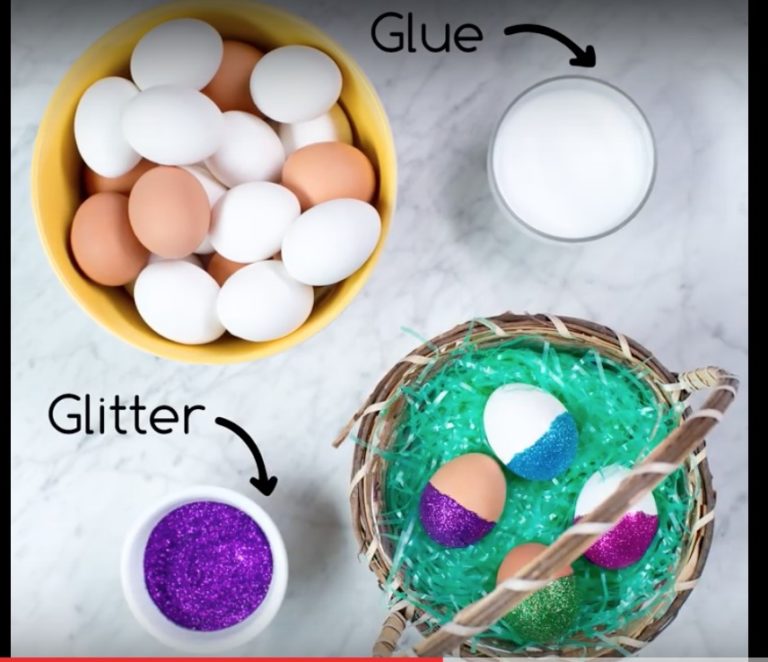
Craft Glitter Eggs
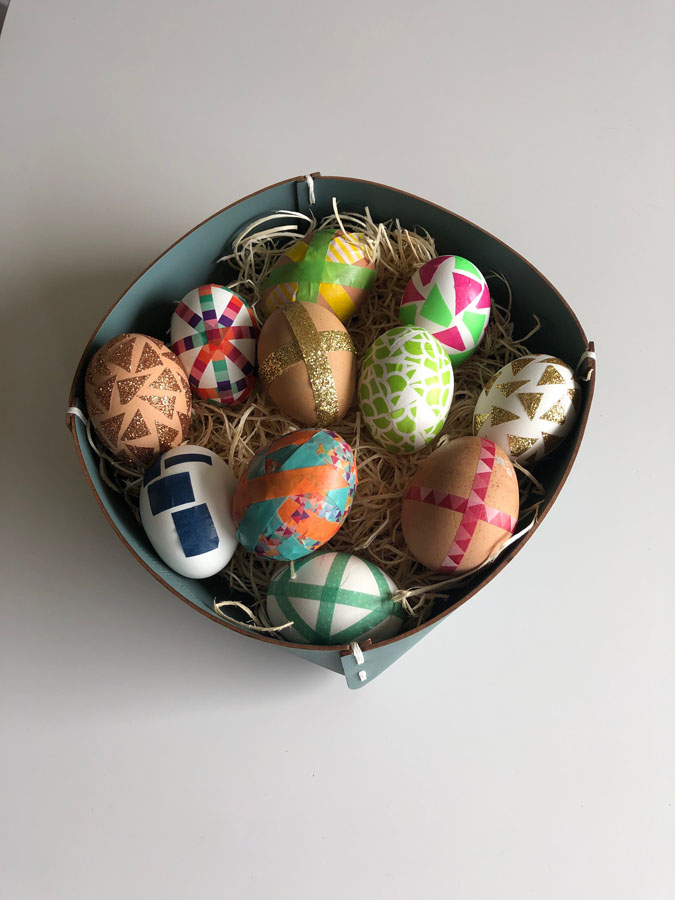
Washi Tape Eggs
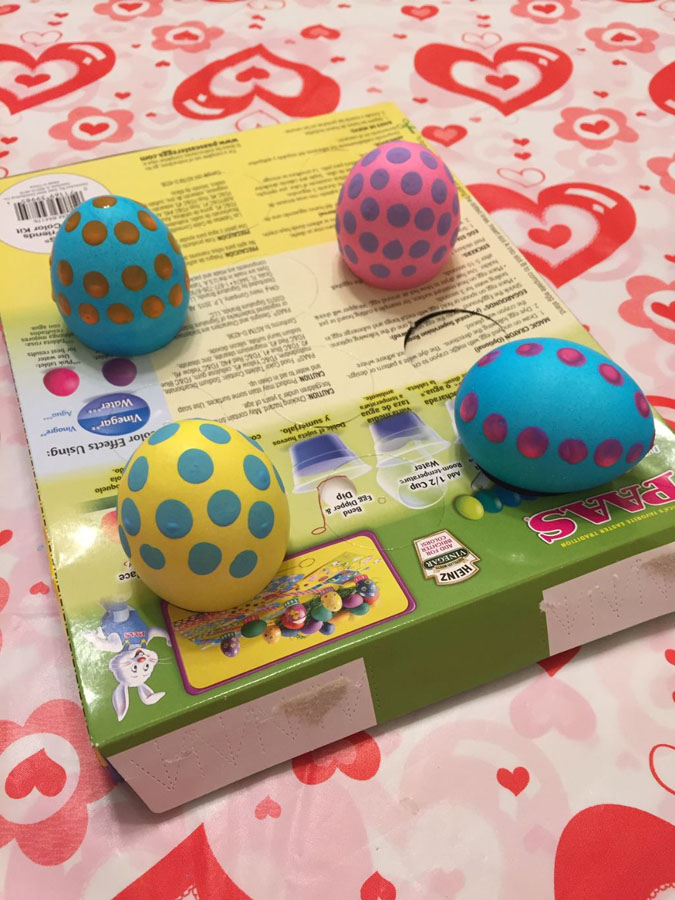
Polka Dot Eggs
Natural Easter Egg Dyes

Easter Activities
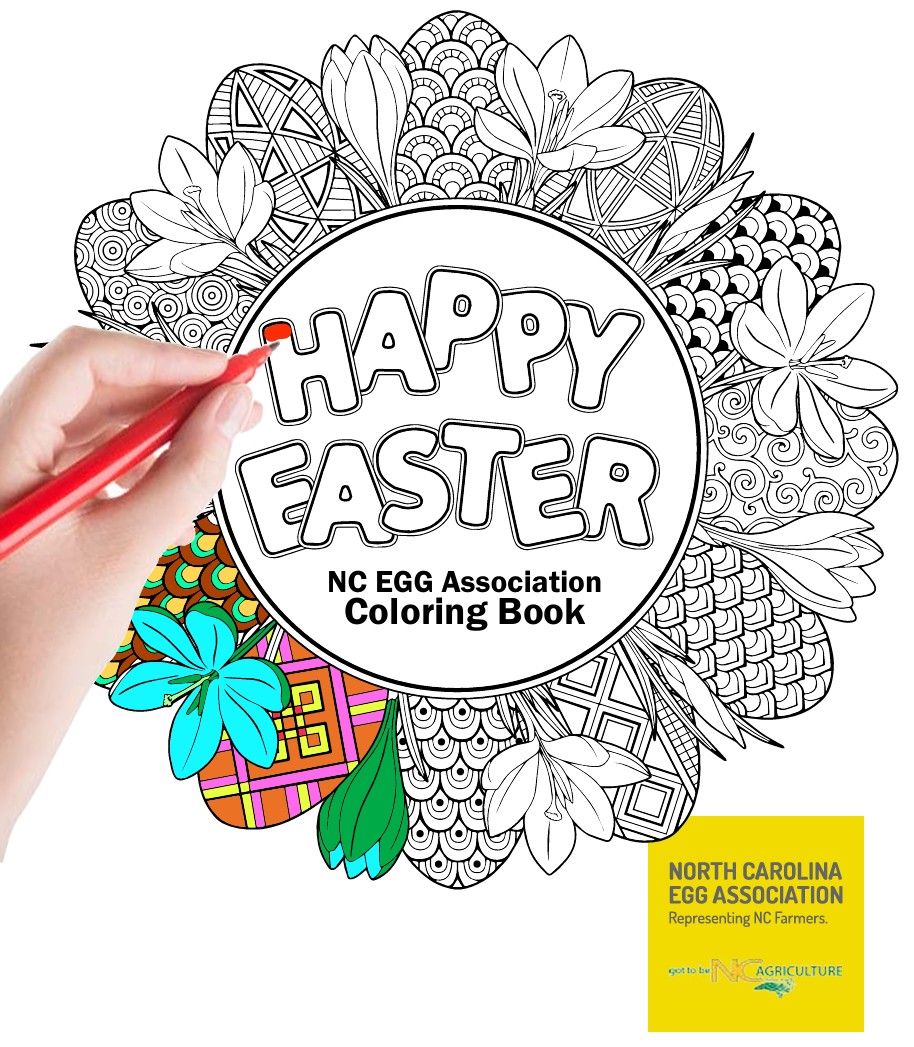
Easter Coloring Book
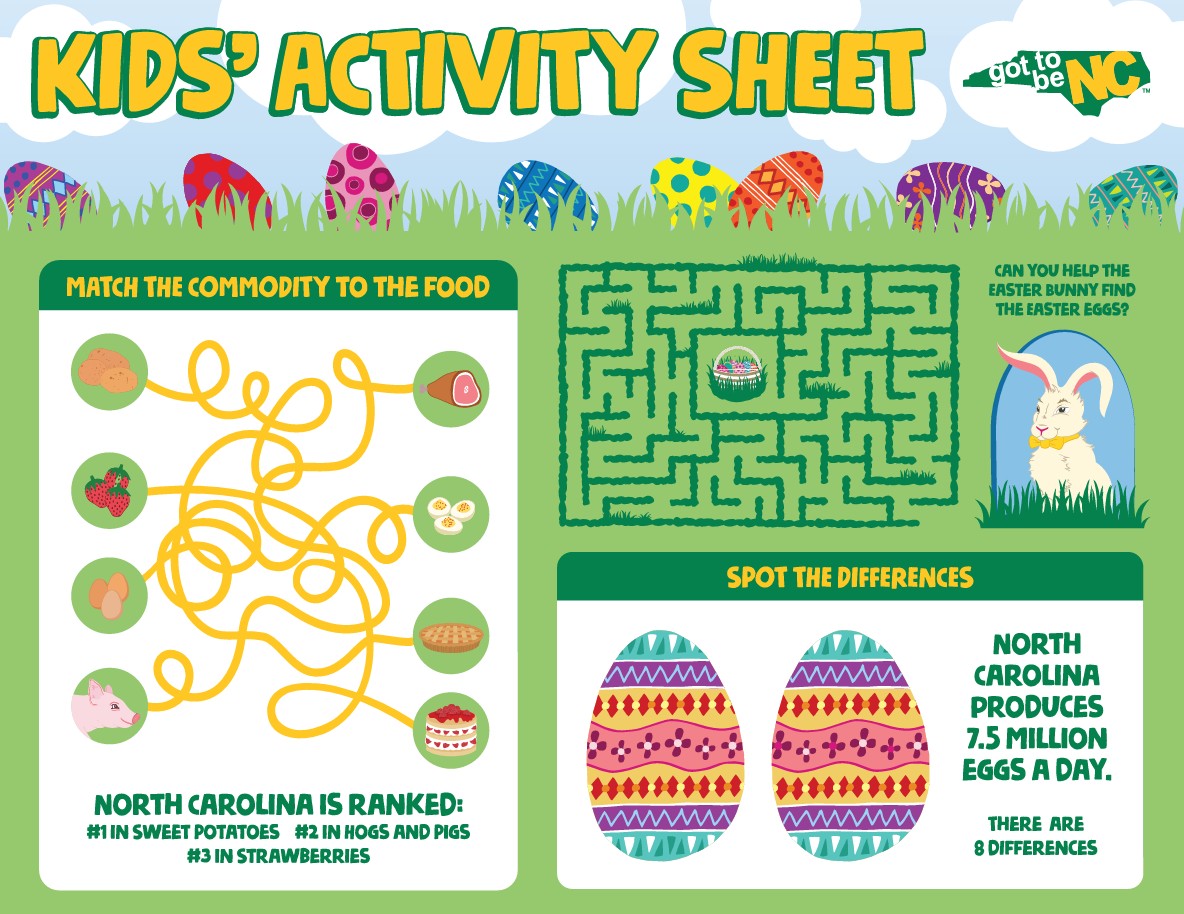
Kids’ Easter Activity Sheet
Easter Egg History
Eggs were colored, blessed, exchanged and eaten as part of the rites of spring long before Christian times. Even the earliest civilizations held springtime festivals to welcome the sun’s rising from its long winter sleep. Ancient peoples thought of the sun’s return from darkness as an annual miracle, and they regarded the egg as a natural wonder and a proof of the renewal of life.
As Christianity spread, the egg was adopted as a symbol of Christ’s Resurrection from the tomb. For centuries, eggs were among the foods forbidden by the church during Lent, so it was a special treat to have them again at Easter.
Easter is an especially happy time for children, who often enjoy egg hunts and egg-rolling contests.
The Slavs & Eastern Europe
In Slavic countries, baskets of food including eggs are traditionally taken to church to be blessed on Holy Saturday or before the Easter midnight Mass, then taken home for a part of Easter breakfast.
Eastern European countries have a long tradition of elaborately decorating Easter eggs. Polish, Slavic and Ukrainian people create amazingly intricate designs on eggs, drawing lines with a wax pencil or stylus, dipping the egg in color and repeating the process many times to make true works of art. Every dot and line in the pattern has meaning. Yugoslavian Easter eggs bear the initials “XV” for “Christ is Risen,” a traditional Easter greeting.
The Russians, during the reign of the tsars, celebrated Easter much more elaborately than Christmas, with Easter breads and other special foods and quantities of decorated eggs given as gifts. The Russian royal family carried the custom to great lengths, giving exquisitely detailed jeweled eggs made by goldsmith Peter Carl Faberge from the 1880s until 1917.
Central Europe
In Germany and other countries of central Europe, eggs that go into Easter foods are not broken but instead emptied out. The empty shells are painted and decorated with bits of lace, cloth or ribbon, then hung with ribbons on an evergreen or small leafless tree.
On the third Sunday before Easter, Moravian village girls used to carry a tree decorated with eggshells and flowers house-to-house for good luck. The eggshell tree is one of several Easter traditions carried to America by German (Deutsch) settlers, especially those who became known as Pennsylvania Dutch. German immigrants also brought the fable that the Easter bunny delivers colored eggs for good children.